
If you’re searching for natural pain relief to ease those everyday aches, you’re in good company. Whether it’s a sore back from hauling garden compost, a nagging headache, or joint pain from life’s hustle, I’ve always turned to herbal remedies for comfort. Nature’s got a way of providing, and I’m excited to share my five favorite pain-relieving herbs: turmeric with black pepper, lemon balm, white willow bark, feverfew, and comfrey. These plants are my go-to for natural pain management, and they’ve been a blessing in my home apothecary. Let’s dive into these herbal pain relief wonders!
Welcome to Grace Walk Farm, our family homestead in western NC. We share the highs and lows of our homestead journey, in hopes that it will encourage you to grow your own food too. Click here to grab our Beginner Garden Guide for free! Join our 600K strong Instagram community of homesteaders here. Thanks for stopping by!
1. Turmeric (with Black Pepper)
Oh, turmeric, you golden gem! This vibrant root is a powerhouse for natural pain relief, thanks to curcumin, its star anti-inflammatory compound. Whether it’s joint pain relief from hours in the garden or muscle soreness from chasing critters, turmeric for pain is my first pick. The trick? Pair it with black pepper. That pinch of pepper contains piperine, which boosts curcumin’s absorption, making this duo a top herbal remedy for inflammation.
I love stirring a teaspoon of turmeric powder into warm milk (or almond milk for a dairy-free option) with a dash of black pepper and a drizzle of honey. It’s like a cozy hug for your insides. You can also add turmeric to soups or smoothies for natural anti-inflammatory benefits. Just watch out—it stains like nobody’s business, so don’t wear your favorite shirt while mixing! For anyone seeking herbal pain relief, turmeric with black pepper is a must-try.
2. Lemon Balm
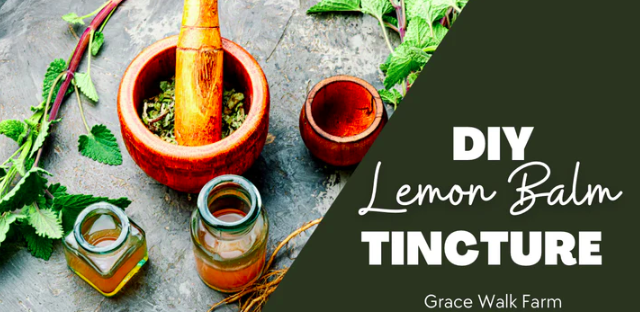
Lemon balm is like that sweet friend who calms you down with a citrusy smile. This herb for pain relief grows happily in my garden, its lemony scent lifting my spirits every time. Part of the mint family, it spreads like wildfire, but I don’t mind—it’s a treasure for natural headache relief and soothing tension. Lemon balm’s rosmarinic acid offers anti-inflammatory and nerve-calming benefits, making it perfect for stress-related pain or tight shoulders.
I brew lemon balm tea by steeping a handful of fresh leaves (or a teaspoon of dried) in hot water for 10 minutes. Add a touch of raw honey, and it’s pure comfort in a mug. This herbal remedy is gentle enough for daily use and helps ease pain and inflammation tied to stress. If you’re growing it, pinch those leaves to keep it thriving. For natural pain management, lemon balm is a gentle, fragrant ally.
You can purchase organic dried lemon balm from our shop here.
3. White Willow Bark
When it comes to herbal pain relief, white willow bark is a legend. Used for centuries (think ancient Egypt!), it’s packed with salicin, nature’s answer to aspirin’s active ingredient. I reach for white willow bark for pain when a stubborn headache hits or my joints ache after a long day of digging. It’s a go-to for natural arthritis relief and general pain management.
I make a decoction by simmering a teaspoon of dried white willow bark in water for 15 minutes, then strain it. It’s bitter, so I add honey or mint to soften the taste. A heads-up: if you’re allergic to aspirin or on blood thinners, skip this one and check with your doctor. For me, white willow bark tea is a reliable natural remedy for pain that feels like a nod to ancient wisdom.
4. Feverfew
Feverfew’s dainty, daisy-like flowers hide some serious power, especially for natural migraine relief. If you’ve ever battled a skull-splitting migraine, this pain-relieving herb might become your best friend. Its parthenolide content helps reduce inflammation and prevents blood vessel constriction in the brain, a common migraine trigger. It’s also great for herbal arthritis relief and general pain and inflammation.
I grow feverfew in my garden and dry the leaves for tea or tinctures. Steep a teaspoon of dried feverfew leaves in hot water for 10 minutes for a simple feverfew tea that can stop a migraine in its tracks if caught early. Some folks chew a fresh leaf, but it’s bitter enough to make you wince, so I stick to tea. Note: avoid feverfew if you’re pregnant, as it can stimulate the uterus. For herbal pain relief, feverfew is a game-changer.
5. Comfrey
Comfrey, oh, how I love you! Nicknamed “knitbone,” this herb for pain relief is a healer’s dream for bruises, sprains, and sore muscles. Its allantoin content promotes cell regeneration, making it ideal for natural muscle pain relief. After a day of hauling mulch or wrestling fence posts, a comfrey salve is my saving grace.
I make my own by infusing dried comfrey leaves in olive oil for weeks, then blending with beeswax. Rub it on achy spots for topical pain relief—it’s like the plant’s whispering, “You’ll be alright.” Important: comfrey is for external use only due to pyrrolizidine alkaloids, which can harm the liver if ingested. Stick to salves or poultices for herbal pain management, and you’ll see why comfrey’s a homesteader’s favorite.
A Few Final Thoughts
These five pain-relieving herbs—turmeric with black pepper, lemon balm, white willow bark, feverfew, and comfrey—are my trusted allies for natural pain relief. But every body’s different, so start slow and listen to yours. If you’re on medications or have health conditions, talk to a doctor before trying these herbal remedies for pain.
Growing these plants in my garden feels like a sacred act—there’s nothing like nurturing them from seed to harvest. If you’ve got a sunny spot, try planting a few for natural pain management and a touch of garden magic.
What’s your favorite herbal remedy? Got a go-to for natural pain relief? Drop a comment and let’s swap stories! Until then, may your garden thrive and your aches be few!
Keep Learning – grab my new guide to using herbs at home here. You’ll find all my recipes for making teas, tinctures, salves, and more.
Also check out these blogs: